
Universal Access Action Plan
Raise consciousness and awareness of Native American history and experience in the US specifically with respect to the lack of access to drinking water for Tribal communities and the relevant responsibilities and engagement of the federal government.
Education and Outreach
Effective Deployment of Federal Resources
Call the federal government to action under its federal treaty and trust responsibilities to provide clean water access for Tribes, advocate for the necessary resources, and promote a “whole of government” approach to achieving universal access.
Monitor the federal government’s priorities and actions that are (or are not) focused on implementing infrastructure funding for Tribal clean water systems. Pursue strategic and targeted opportunities to highlight, promote, and draw attention to the need for measurable progress on getting clean drinking water to Tribal households and communities.
Federal Engagement
Support Tribal Capacity Development
Provide Tribes with information to support informed decision making on utilizing available funding for clean water infrastructure and assist them with accessing funding to assess, plan, design, construct, operate, and maintain drinking water systems over the long-term.
-
Frequently Asked Questions 2026
Who is UACW?
The Initiative on Universal Access to Clean Water for Tribal Communities (UACW) works to ensure that every Native American household has reliable access to clean, safe, and affordable drinking water and sanitation.
We are a small group of water professionals.
In existence since 2020
Fiscally sponsored by New Venture Fund Which Tribes are you focused on?
UACW has a national focus, but we hold close connections to Colorado River Basin Tribes.
What are your main focuses?
Currently, we are focused on:
Water affordability
Research and reporting on federal funding cuts to agency programs that support Tribal water infrastructure
Tribal lack of capacity to fund necessary operation and maintenance for drinking water infrastructure and lack of governmental assistance to bridge the gap
Outreach and education on the full picture of Tribal water access
What is water affordability?
Many definitions of affordability; one commonly used is “ability of an individual household to pay for basic water services necessary for drinking” (from EPA).
How many Native Americans lack access to clean running water?
Over 48% of Tribal households lack access to clean running water.
Native American households are 19 times more likely than white households to lack indoor plumbing.
Nearly 32 percent of Native American households are in debt to their water utility, owing an average of $502 annually.
Why do Tribal communities lack access to clean running water?
The Tribal water gap is largely attributed to historic government neglect and the failure to uphold treaty and trust obligations to Tribes. This is evidenced by the insufficiency of funding for drinking water infrastructure, unmet operation & maintenance costs, and ongoing legal hurdles for Tribes to access water.
Which policies are standing in the way of Tribes and Tribal communities from accessing clean water?
Policies that do not consider the unique needs of Tribal communities or were created without Tribal input.
Reductions in federal funding and lack of commitment to bridging the water access gap.
What legal backing do Tribes have to obtain clean water?
Federal Treaty and Trust Responsibilities
Winters Doctrine (recognition of Tribal reserved water rights)
Tribal water settlements that include infrastructure projects
Recognition of a human right to water
What is UACW doing to help solve this issue?
We engage in public education concerning the deplorable lack of access to clean water in Tribal communities
Data gathering and research to support an objective assessment of Tribal drinking water needs, fill data gaps, and provide policy recommendations
Advocacy for adequate funding for Tribal drinking water infrastructure and effective deployment of federal resources
Capacity building for Tribal communities.
Core Team
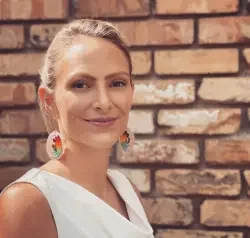
Heather Tanana, Initiative Lead
Heather Tanana (JD/MPH) is an Assistant Professor of Law at the University of Denver’s Sturm College of Law and associate faculty with the Johns Hopkins Center for Indigenous Health. A citizen of the Navajo Nation, Professor Tanana is a nationally recognized expert in Federal Indian Law, with particular expertise in tribal water rights and the intersection of the environment, health, and Indigenous peoples. Her scholarship and advocacy focus on securing water access for tribal communities. She founded and served as president of the Utah Tribal Relief Foundation, led the formation of the Indian Law Section of the Utah State Bar, and serves on the board of Western Resource Advocates and advisory boards of Planet Women and DigDeep.
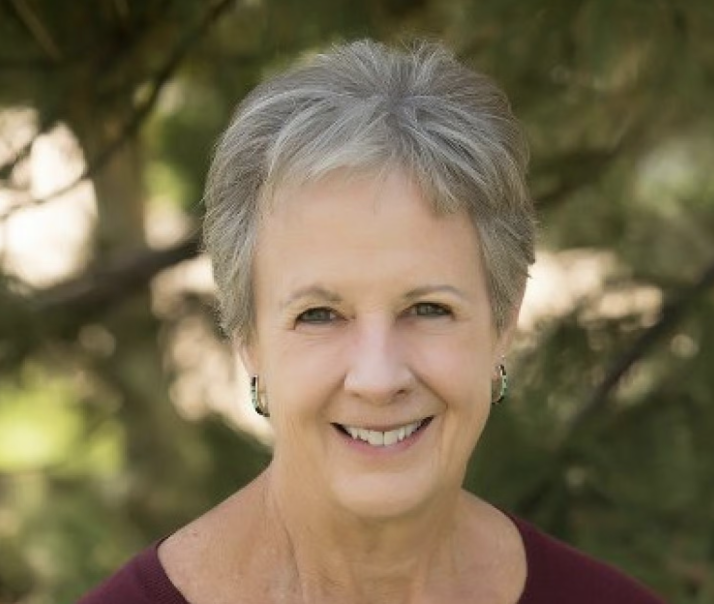
Anne Castle, Founder & Advisor
Anne Castle is a Senior Fellow at the Getches-Wilkinson Center for Natural Resources at the University of Colorado Law School. She is a founding member of the Water Policy Group. From 2009 to 2014, she was Assistant Secretary for Water and Science at the U.S. Department of the Interior where she oversaw water and science policy and had responsibility for the U.S. Bureau of Reclamation and the U.S. Geological Survey. While at Interior, Anne spearheaded the WaterSMART program and provided hands-on leadership on Colorado River issues including a ground-breaking agreement between the US and Mexico. She serves on the boards or advisory committees for Colorado Legal Services, the Colorado Water Trust, the Salazar Center for North American Conservation, and Stanford University’s Water in the West program. She was appointed by President Biden as the US Commissioner to the Upper Colorado River Commission.
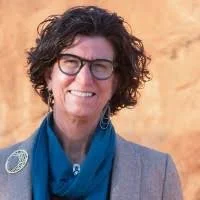
Amy McCoy, Core Team Member
Amy McCoy, PhD, is a founding partner of Fluent Freshwater Insights, a consulting firm that actively applies strategic research and creative communications to the social, legal, and practical challenges of water scarcity and climate change. Her education and career are grounded in a commitment to working at the crossroads of water, land, culture, and language. With nearly 20 years consulting experience, she previously worked in community-based non-profits and was a Captain and competitive athlete in the US Air Force. Amy graduated with a BS in Environmental Biology from Yale University, an MA in Environmental Studies from the University of Southern California, and a PhD in Arid Lands Resource Sciences from the University of Arizona. Amy lives in Colorado Springs, Colorado.
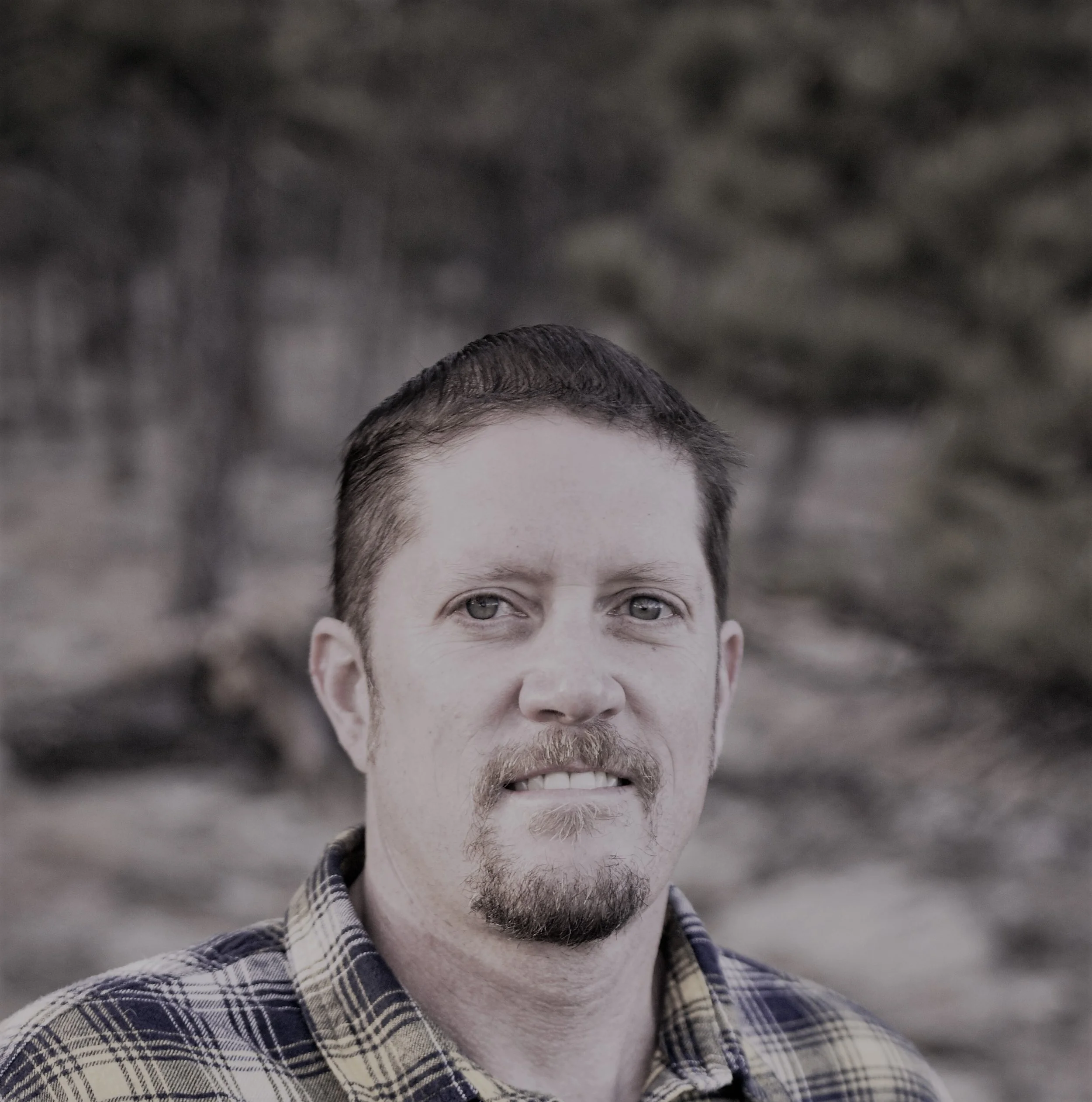
Garrit Vogesser, Core Team Member
Garrit Voggesser is the Senior Director of Tribal Partnerships and Policy with the National Wildlife Federation. Garrit has worked with Tribes for over two decades, engaging nation-wide on a wide array of wildlife and habitat conservation issues, particularly western water, buffalo conservation, wildlife connectivity, ensuring equity for Tribes in federal natural resource legislation and funding, and providing environmental education and outdoor opportunities for Tribal youth. Garrit received a Ph.D. in American Indian and environmental history from the University of Oklahoma in 2004.
Advisors
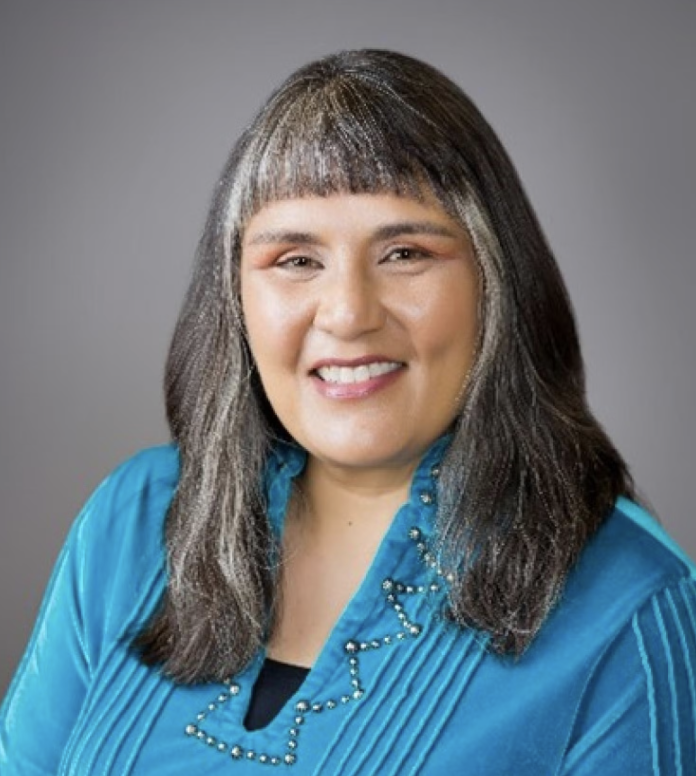
Bidtah Becker, Founder & Advisor
Bidtah Becker has dedicated her career to the Navajo Nation and its natural resources. She has served as Deputy Secretary for Environmental Justice, Tribal Affairs & Border Relations at CalEPA. Prior to this, she was an Associate Attorney for the Navajo Tribal Utility Authority. Bidtah also had the honor of serving as the Director of the Navajo Nation Division of Natural Resources, as an appointee of President Begaye and Vice-President Nez, after having served 11 years in the Navajo Nation Department of Justice focusing on water rights and natural resources issues. Continuing her deep interest and passion for water, she serves as an advisor for the Water and Tribes Initiative in the Colorado River Basin and is honored to serve as a Commissioner on the New Mexico Interstate Stream Commission and on the Navajo Nation Water Rights Commission. Bidtah is equally passionate about supporting artists and serves as a Trustee for the Institute of American Indian Arts and Culture. Bidtah is a member of the Nation and lives on the Navajo Nation in Fort Defiance with her husband and two school age children.
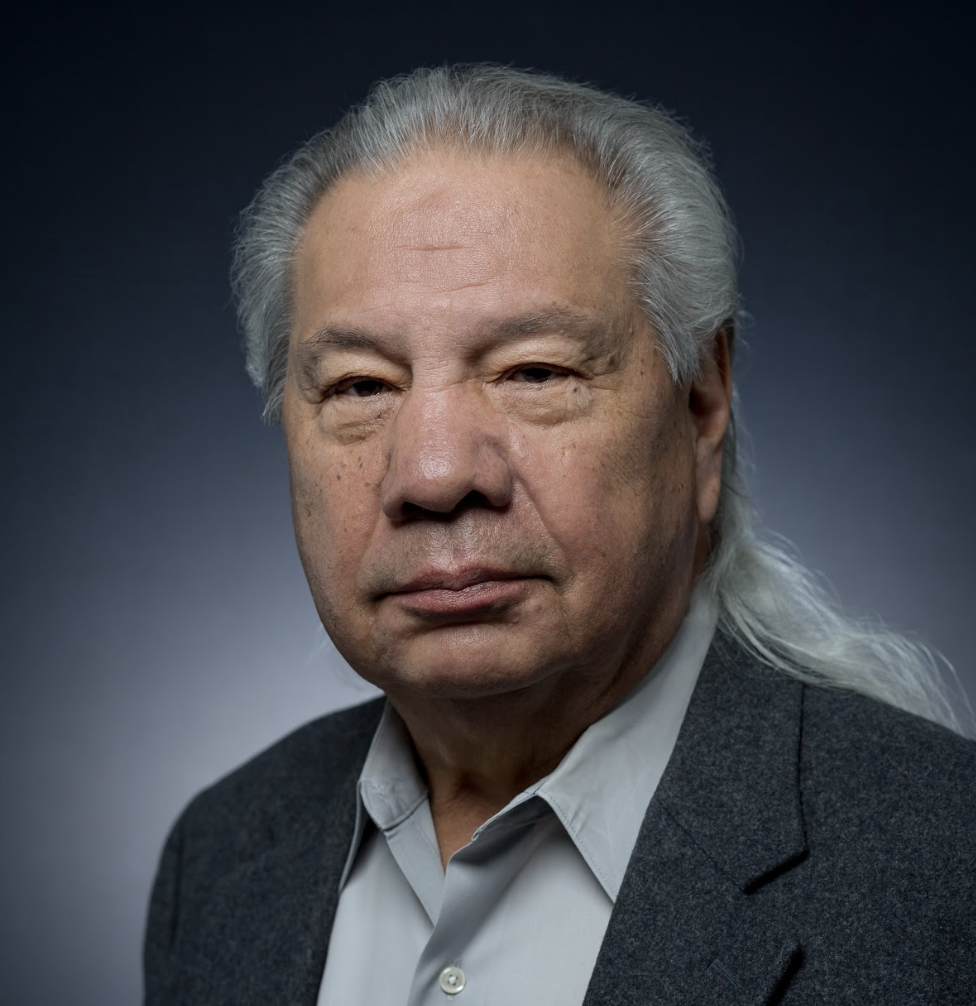
John Echohawk, Advisor
John Echohawk is the Executive Director of the Native American Rights Fund (NARF). NARF has been involved in nine of the 32 Indian water rights cases that have resulted in settlements. Mr. Echohawk has worked with the Department of the Interior, the Western Governors Association, the Western States Water Council, the Conference of Western Attorneys General, the Western Business Roundtable, the National Congress of American Indians and the Joint Federal Tribal Water Funding Task Force to promote favorable Indian water rights settlement policies. He was appointed by President Clinton to serve on the Western Water Policy Review Commission. He served on both the Clinton-Gore and the Obama-Biden DOI transition teams. He serves on the boards of the American Indian Resources Institute, the Association on American Indian Affairs, the Indigenous Language Institute, NRDC, and the National Center for American Indian Enterprise Development. B.A., and J.D., University of NM. Reginald Heber Smith Fellow; Native American Rights Fund; admitted to practice law in Colorado.

Partners
Contact Us
Want to learn more about the Tribal Clean Water Initiative? Interested in a media interview? Please fill out this form and your message will be sent directly to the initiative leads.